
-
Regular price $225.00 USDRegular priceUnit price per
-
Regular price $295.00 USDRegular priceUnit price per
-
Regular price $252.00 USDRegular priceUnit price per
-
Regular price $79.00 USDRegular priceUnit price per
-
Regular price $62.50 USDRegular priceUnit price per
-

 SOLD OUTRegular price $141.75 USDRegular priceUnit price per
$189.00 USDSale price $141.75 USDSOLD OUT -
Regular price $75.00 USDRegular priceUnit price per
-
Regular price $155.00 USDRegular priceUnit price per
-
Regular price From $65.00 USDRegular priceUnit price per
-
Regular price $156.00 USDRegular priceUnit price per
-
Regular price $112.00 USDRegular priceUnit price per
-
Regular price $146.00 USDRegular priceUnit price per

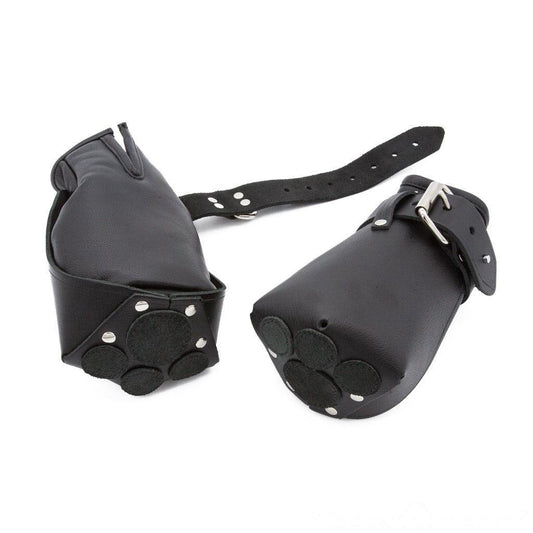

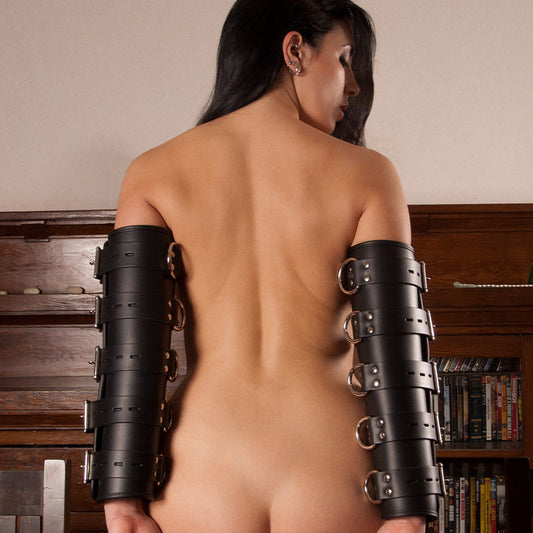

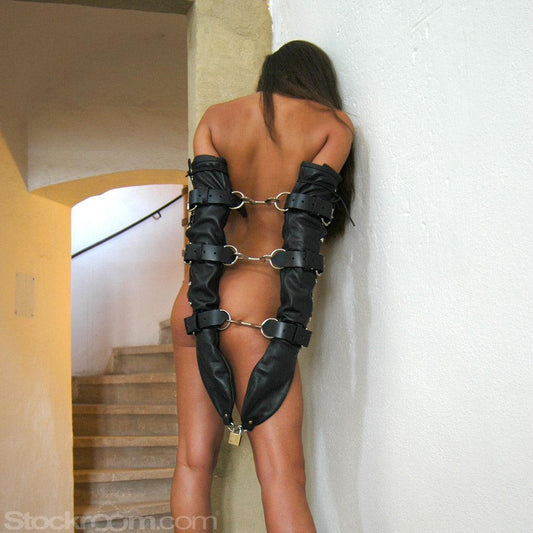

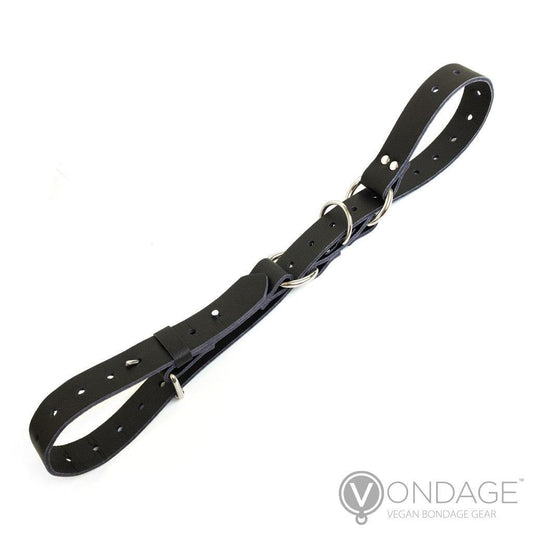

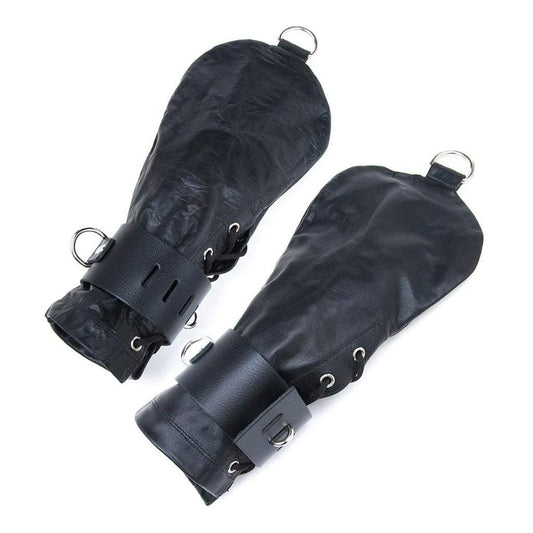


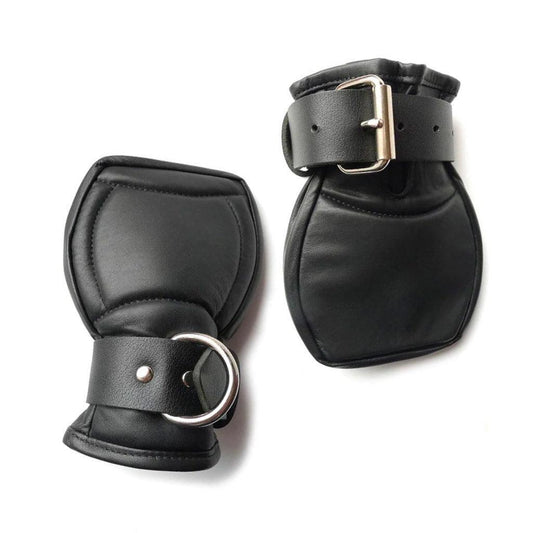

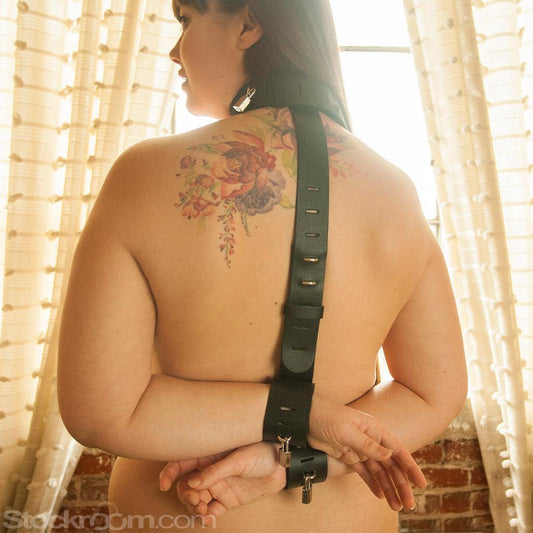
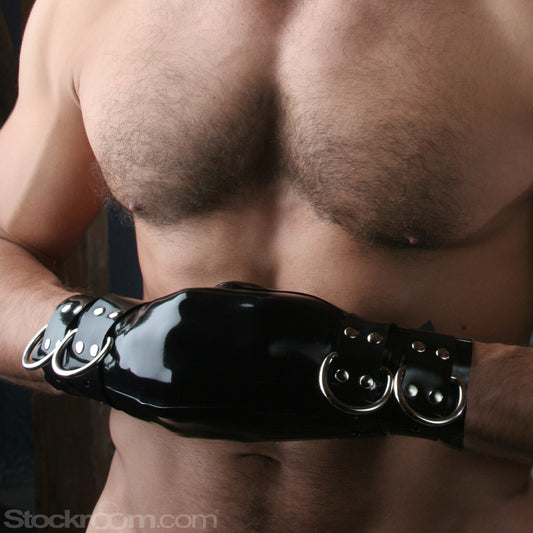
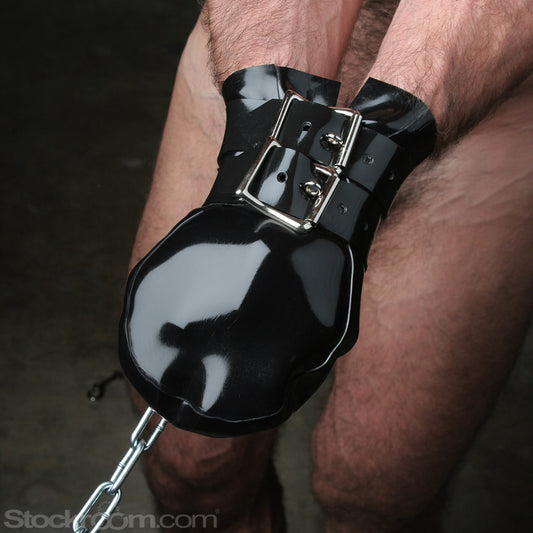
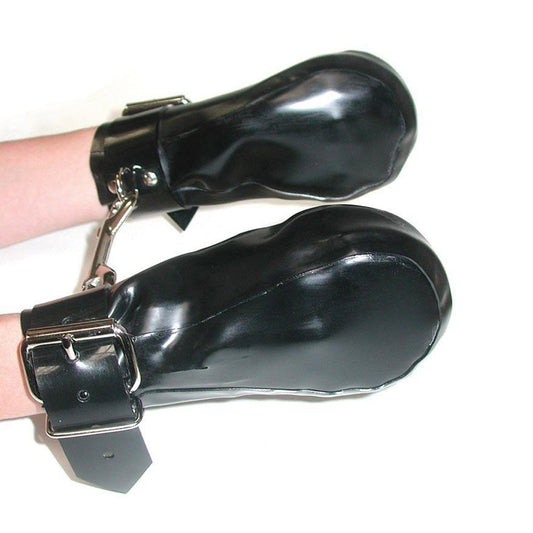
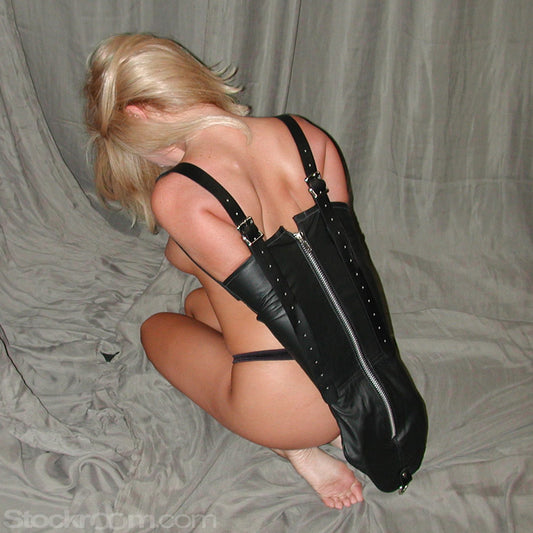
Two great options for extreme bondage without being harsh on your submissive: Armbinders do exactly what the name says — restrain the entire arm, including the elbow. Fist Mitts, or mittens, encase the entire hand, much like the ones you may have worn into the snow once upon a time.
Where cuffs only restrict the sub’s hands or feet, mittens completely keep their fingers from getting frisky and exploring without permission. We think you'll find either to be an extremely satisfying addition to your bondage scenes.
WHAT ARE ARMBINDERS & MITTENS IN BDSM?
Armbinders and mittens are forms of advanced bondage gear designed to remove dexterity rather than simply limit movement. Where cuffs restrict wrists or ankles, armbinders immobilize the entire arm, and mittens encase the hands completely—eliminating the ability to grasp, touch, or self-stimulate. This type of restraint shifts a scene from simple control into full dependency.
HOW ARMBINDERS CHANGE A SCENE
Armbinders restrain the arms from shoulder to wrist, locking elbows into position and preventing leverage or resistance. This creates a posture of submission that is both physical and psychological. With the arms neutralized, the submissive must rely on their partner for balance, positioning, and permission to move.
Armbinders are often used in combination with collars, leashes, or suspension points, making them a cornerstone of immobilization-focused BDSM scenes.
WHY MITTENS ARE A DIFFERENT KIND OF RESTRAINT
Bondage mittens—also called fist mitts—remove finger control entirely. Unlike cuffs, which still allow grabbing or scratching, mittens enforce complete helplessness at the hands. This makes them especially effective for teasing, denial, endurance scenes, or any play where accidental or intentional touching needs to be prevented.
Mittens are frequently paired with other restraints, such as armbinders or body harnesses, to create layered control systems.
COMMON TYPES OF ARMBINDERS & MITTENS
This collection focuses on full-control restraints rather than light bondage accessories. Key styles include:
- Leather armbinders: Structured designs that hold the arm in a fixed position, often reinforced with buckles or locking hardware.
- Fist mitts and bondage mittens: Fully enclosed hand restraints that eliminate finger movement and grip.
- Locking mittens: Designed for long scenes or power exchange dynamics where control is maintained without constant supervision.
- Combination restraints: Pieces that integrate mittens with arm or neck restraints for full upper-body control.
WHY CHOOSE THE STOCKROOM FOR ARMBINDERS & MITTENS?
Built for real restraint
The Stockroom curates armbinders and mittens made from durable materials and hardware designed for repeated use—not costume play.
Decades of experience
With over 30 years serving the BDSM community, The Stockroom selects restraint gear informed by real-world scenes, not theory.
SAFETY & USE CONSIDERATIONS
Because armbinders and mittens significantly restrict movement and circulation, they should always be used with clear communication, regular checks, and negotiated limits. Proper sizing and fit are essential, especially for extended scenes.
FAQs
Are armbinders and mittens suitable for beginners?
They are generally considered advanced bondage gear. Beginners may want to start with cuffs or kits before progressing to full arm or hand immobilization.
What’s the difference between mittens and cuffs?
Cuffs restrain wrists or ankles but still allow finger movement. Mittens fully encase the hands, removing grip and fine motor control entirely.
Can armbinders be combined with other restraints?
Yes. Armbinders are often combined with collars, leashes, or other bdsm restraints to create layered restraint systems.
Are locking mittens safe for long scenes?
They can be, when used responsibly. Regular circulation checks, clear consent, and the ability to remove the restraint quickly are essential.
How do I choose the right armbinder or mitten?
Consider experience level, desired intensity, and scene length. Leather quality, adjustability, and hardware strength are key factors when selecting restraint gear.
SHOP BY RESTRAINT TYPE
-

WRIST & ANKLE CUFFS
A bondage basic, cuffs & shackles are a must-have for any scene....
-

LEASHES & LEADS
Take total control of your submissive — whether it’s with a traditional...
-

BODY HARNESS RESTRAINTS
The Stockroom has been designing (and wearing) body harnesses to suit every body type...
-

STRAITJACKETS & BONDAGE SUITS
Sometimes, an extra sneaky sub needs to be put in their place....
-

SPREADER BARS & YOKES
Spreaders and yokes are extremely useful for pushing your bondage scene to...
-

SUSPENSION EQUIPMENT
Suspension can literally take your bondage scene to unprecedented heights — but...
-

ROPE, STRAPS & CHAINS
No kinky bedroom is complete without a reliable way to tie or...
-

ARMBINDERS & MITTENS
Two great options for extreme bondage without being harsh on your submissive: Armbinders...
-

SLEEPSACKS & BODY ENCASEMENT
Bondage is so much more than binding the hands and feet and...
-

RESTRAINT KITS & SETS
Sometimes you don’t want to spend time lingering over which bondage gear to pack for...
-

HARDWARE & LOCKS
Quality hardware puts the finishing touches on a good kinky scene. That’s why we...


POPULAR COLLECTIONS
-

NEW ARRIVALS!
In over 30 years of business, we've never once lost our love...
-

BESTSELLERS
Discover our best-selling kink gear, trusted since 1988. From premium bondage restraints...
-

BONDAGE RESTRAINTS
Sometimes the secret to sexual freedom is a little restraint. Of course,...
-

All BDSM Furniture
Let us help you find top-tier dungeon furniture to turn your home...
-

BDSM SEX TOYS
Stockroom.com — bringing you the best in sexual technology® since 1988 —...
-

KINKLAB ELECTROEROTIC
KinkLab takes the old saying "send shivers up your spine" quite literally....


